

Diminished Ovarian Reserve (Low AMH): What Chinese Medicine Sees That Lab Numbers Miss
When the Numbers Feel Like a Verdict
If you’ve just heard “your AMH is low” or “you have diminished ovarian reserve,” it can feel like a door quietly closing. A number — 0.4, 0.8, just barely over 1.0 — gets handed to you and framed as a countdown. But before you accept that number as the final word on your fertility, it’s worth asking what it’s actually measuring — and what it is definitely not measuring. Chinese medicine has some useful things to say about both questions.
What Western Medicine Tells Us About DOR
Diminished ovarian reserve (DOR) is defined by a cluster of lab values: Anti-Müllerian Hormone (AMH) below roughly 1.0 ng/mL, a Day 3 FSH that trends elevated, and an antral follicle count (AFC) on ultrasound of fewer than five to seven visible follicles. These markers together suggest the ovaries aren’t producing as many recruitable follicles per cycle as they once did. In a conventional IVF workup, low AMH signals that aggressive stimulation protocols may be needed, that the egg retrieval may yield fewer oocytes, and that donor egg counseling may eventually enter the conversation.
Conventional medicine is being honest here — these are real constraints for IVF planning. Where patients often hit a wall is in the equation that follows: low AMH equals poor prognosis, full stop. That equation overlooks something critical. AMH measures how active the ovaries are right now, not the precise count of primordial follicles remaining. Ovarian activity is not a fixed fact — it is a physiological state, and physiological states respond to treatment.
Functional Medicine: The Mitochondrial Angle
The Five-Phase functional medicine view identifies several adjuncts that synergize naturally with Kidney Jing support in DOR. Oocytes are among the most mitochondria-dense cells in the body, and the final twenty days of maturation place an extraordinary energy demand on them. Ubiquinol (CoQ10) — the reduced, bioavailable form — at 200–400 mg daily supports mitochondrial energy production and reduces reactive oxygen species inside the follicular environment. DHEA, for patients over 34 with genuine reserve depletion, can support the androgen-priming pathway for pre-antral follicle recruitment; its use should always be guided by a clinician. Vitamin D optimization and oxidative stress reduction round out the picture. These pattern-matched adjuncts layer on top of the herbal and acupuncture work, not in front of it. Explore the full approach at our functional medicine fertility hub.
How Chinese Medicine Sees Diminished Ovarian Reserve
In classical Chinese medicine, the capacity to conceive is rooted in Kidney Jing (Jīng, 精) — the foundational constitutional essence governing reproduction and deep vitality. Jing is the body’s reproductive reserve: the substrate from which eggs develop, follicles mature, and the uterine environment is nourished. When a Western diagnosis points to DOR, TCM immediately recognizes the terrain. The patterns below all flow from this central recognition.
Pattern 1: Kidney Yin Deficiency (腎陰虛 — Shèn Yīn Xū)
Kidney Yin is the nourishing, moistening, cooling dimension of Kidney function. When it is depleted, the follicular environment — which depends on this rich, fertile ground to ripen eggs — dries out. Clinically, this pattern presents with scanty or shortened menstrual flow, vaginal dryness, night sweats, sensations of heat in the palms and soles, occasional dizziness or tinnitus, a red and possibly peeled tongue, and a pulse that feels thin and rapid. The menses may arrive early, or the cycle may simply feel sparse. This is the most common root pattern in DOR — the well has run low, and everything downstream reflects that.
Pattern 2: Kidney Jing Exhaustion (腎精虧虛 — Shèn Jīng Kuī Xū)
Jing exhaustion is Yin deficiency taken deeper — after years of overwork, chronic sleep debt, repeated IVF stimulation cycles, or advancing maternal age. Where Yin deficiency is a lowered water table, Jing exhaustion is the aquifer running thin. Clinically: premature graying, profound fatigue, a sense of not having recovered from prior pregnancies or treatment cycles. In classical terms, the Tian Gui (天癸) — the heavenly water that initiates and sustains menstruation — is insufficiently supplied at its root.
Pattern 3: Kidney Yin and Yang Dual Deficiency (腎陰陽兩虛 — Shèn Yīn Yáng Liǎng Xū)
When both the nourishing (Yin) and warming (Yang) aspects of Kidney function are compromised, the cycle becomes erratic: the follicular phase fails to build adequate lining and follicle quality, and the luteal phase fails to provide the warmth necessary for implantation. Basal body temperature charts often show a low and unstable pattern throughout the whole cycle. Patients may describe feeling cold generally, experiencing long cycles, having both night sweats and cold feet — a mixed picture that reflects both Yin and Yang deprivation. This pattern is common in older patients and in those who have undergone multiple aggressive stimulation cycles.
Pattern 4: Blood Deficiency Overlay (血虛 — Xuè Xū)
DOR frequently co-occurs with Blood deficiency — thin lining, light pale menses, easy fatigue, and a washed-out complexion. In TCM, Blood and Essence share a common source and nourish each other: building Blood supports Jing, and vice versa. This overlay is especially relevant for patients whose lining response has been inadequate in prior IVF cycles.
Reading the Symptoms Through a TCM Lens
Chinese medicine offers a way to read the body’s signals as information about underlying dynamics rather than problems to suppress. Scanty, shortened periods map directly to insufficient Kidney Yin and Blood to fill the Uterus (Bao Gong, 胞宮) — the body lacks the resources for a robust flow for the same reason it lacks the resources for a robust follicle. Night sweats reflect Kidney Yin deficiency generating “empty heat” (虛熱, Xū Rè) — the flickering warmth that remains when cooling Yin can no longer anchor the system. Vaginal dryness is the same Yin depletion at local tissue level. Tinnitus and dizziness signal Kidney and Marrow deficiency — the ears and brain require Jing to function clearly. Cold extremities and long cycles in the dual deficiency pattern reflect Kidney Yang’s failure to warm and propel the cycle forward. None of these signs are coincidental — they’re all downstream of the same root deficit.
Acupuncture Treatment Approach
For DOR, acupuncture has one overriding priority: restore microcirculation to the ovaries. Blood flow is the mechanism through which oxygen, nutrients, FSH, LH, growth factors, and antioxidants reach the developing follicle. Low AMH correlates clinically with impaired ovarian microcirculation — before Jing-building can be effective at the tissue level, the delivery system has to work. Acupuncture addresses that physical infrastructure alongside the deeper constitutional nourishment.
Point selection for the Kidney Yin / Jing deficiency core pattern focuses on the Kidney and Conception Vessel (Ren Mai) channels:
- Kidney 3 (Tài Xī, 太溪) — source point; nourishes Kidney Yin and Jing directly
- Kidney 6 (Zhào Hǎi, 照海) — opens the Yin Qiao vessel; nourishes Yin; pairs with Lung 7 to open the Conception Vessel
- Spleen 6 (Sān Yīn Jiāo, 三陰交) — meeting point of three Yin channels; nourishes Blood and Yin; supports the Uterus
- Bladder 23 (Shèn Shū, 腎俞) — back-shu of the Kidney; tonifies Kidney essence; moxa used in Yang deficiency
- Conception Vessel 4 (Guān Yuán, 關元) — fortifies original Qi and Jing; warms the Uterus; foundational fertility point
- Stomach 36 (Zú Sān Lǐ, 足三里) — builds Qi and Blood; improves absorption of supplementation
With the dual Yin-Yang pattern, treatment alternates by cycle phase: Kidney 6 and Spleen 6 in the follicular phase, shifting to Conception Vessel 4 with moxa and Bladder 23 in the luteal phase. For patients with endometriosis, oxidative stress signs, or a Type-A Wood overlay, the Four Gates (Liver 3, Large Intestine 4) are added to support glutathione production and estrogen clearance. More on our approach at San Diego fertility acupuncture and fertility acupuncture overview.
Chinese Herbal Medicine for DOR
The classical herbal approach to DOR nourishes Kidney Jing and Yin deeply, building the constitutional substrate for follicular maturation. The critical concept is time: an oocyte takes approximately 90 days to mature from a recruited primordial follicle to an ovulable egg. Herbal treatment begun three to six months before IVF retrieval reaches the cohort that will actually matter. This is a cultivation practice, not a quick fix.
Zuo Gui Wan (左歸丸 — “Restore the Left [Kidney] Pill”)
The cornerstone formula for Kidney Yin and Jing deficiency in fertility. Zuo Gui Wan fills the Kidney Yin and replenishes Jing without the bitter, cold qualities that can impair digestion over time. Its composition addresses the depleted follicular environment directly:
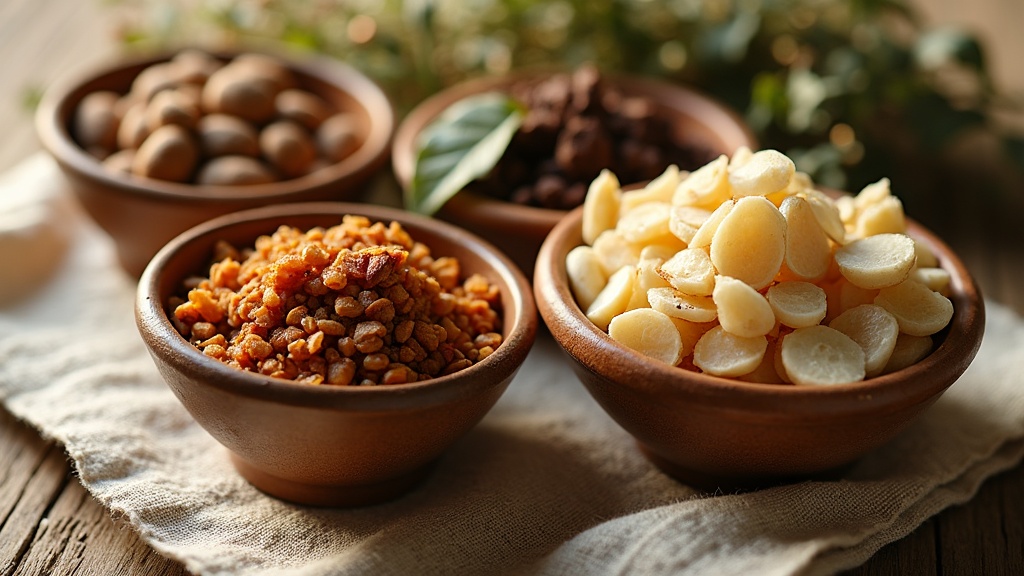
- Prepared Rehmannia (Shú Dì Huáng, 熟地黄) — chief herb; deeply nourishes Kidney Yin and Blood
- Chinese Yam (Shān Yào, 山藥) — strengthens Spleen to generate post-heaven essence; tonifies Kidney
- Wolfberry (Gǒu Qǐ Zǐ, 枸杞子) — nourishes Liver and Kidney Yin; replenishes Jing
- Dodder Seed (Tú Sī Zǐ, 菟絲子) — tonifies Kidney Yin and Yang; classic Jing-filler; specifically indicated in fertility
- Deer Antler Gelatin (Lù Jiǎo Jiāo, 鹿角膠) — nourishes Kidney Yang and Jing; fills the deepest constitutional layer
- Tortoise Shell Gelatin (Guī Bǎn Jiāo, 龜板膠) — nourishes Kidney Yin and anchors Yang; consolidates Jing
- Achyranthes (Niú Xī, 牛膝) — leads action downward to Kidney and Uterus; invigorates Blood in the lower burner
You Gui Wan (右歸丸 — “Restore the Right [Kidney] Pill”)
For the Yang pole — cold signs, long cycles, fatigue, thyroid involvement — You Gui Wan warms Kidney Yang and replenishes Jing. In the Five-Phase functional medicine view, it is often preferred for mild-to-moderate DOR when these pattern-matched adjuncts (Ubiquinol, Royal Jelly, AntiOxidant Formula) are already in place. Key herbs include Prepared Rehmannia (Shú Dì Huáng, 熟地黄), Deer Antler Gelatin (Lù Jiǎo Jiāo, 鹿角膠), Cinnamon Bark (Ròu Guì, 肉桂), and Prepared Aconite (Zhì Fù Zǐ, 製附子).
Wu Zi Yan Zong Wan (五子衍宗丸 — “Five-Seed Pill to Propagate Descendants”)
An all-seed classical formula that tonifies Kidney Jing at the essence level. Its five seeds — Dodder Seed (Tú Sī Zǐ, 菟絲子), Wolfberry (Gǒu Qǐ Zǐ, 枸杞子), Raspberry (Fù Pén Zǐ, 覆盆子), Plantain Seed (Chē Qián Zǐ, 車前子), and Schisandra (Wǔ Wèi Zǐ, 五味子) — are often used as an adjunct to deepen the Jing layer in age-related DOR. When thin lining and pale menses point to Blood deficiency alongside Kidney depletion, Si Wu Tang (四物湯, “Four-Substance Decoction”) or Ba Zhen Tang (八珍湯, “Eight-Treasure Decoction”) is added to build Blood and support the uterine environment concurrently.
Chinese herbal prescriptions are highly individualized. The formulas mentioned here are classical references — what’s appropriate for your specific presentation depends on your complete pattern diagnosis. Please discuss any herbal protocol with a licensed practitioner before beginning.
The Three Months That Matter Most
The most important reframe Chinese medicine offers DOR patients is the time horizon. The cohort of eggs that will be retrieved next cycle is already well into its maturation journey. The eggs you prepare with Jing-building and microcirculation support are in the cohort after that — the 90-day window ahead. This isn’t a reason to delay; it’s a reason to start now and use the window well. Three foundational lifestyle interventions underpin everything else: eight to nine hours of sleep nightly (growth hormone, the primary follicular growth factor, is secreted during sleep), three liters of plain water daily (ovarian microcirculation depends on it), and an 80% reduction in simple starches and wheat flour (stabilizes insulin and reduces FSH/LH signal interference). In the Five-Phase functional medicine perspective, these lifestyle foundations address the largest energy drains before any supplement or herb can take hold. For how this integrates with IVF planning, our functional medicine fertility hub goes deeper.
If you’re also navigating PCOS, endometriosis, or hormone imbalance alongside DOR, the pattern priorities shift accordingly. Our pages on acupuncture for PCOS, endometriosis and infertility, and natural hormone balance address those intersections.
References
- Lyttleton J. Treatment of Infertility with Chinese Medicine, 2nd ed. Churchill Livingstone Elsevier; 2013. Chapters 4 and 5. (Source: vault — treatment-of-infertility-with-chinese-medicine-2e-ch05-section-5; treatment-of-infertility-with-chinese-medicine-2e-ch04-section-4)
- Lewis R. The Infertility Cure: The Ancient Chinese Wellness Program for Getting Pregnant and Having Healthy Babies. Little, Brown; 2004. (Source: vault — fertility-infertility-chinese-medicine)
- [GAP: Ubiquinol / CoQ10 randomized trial evidence for oocyte quality in DOR — PubMed ID not available in vault sources]
- [GAP: DHEA supplementation and IVF outcomes in poor ovarian responders — PubMed ID not available in vault sources]
- [GAP: Acupuncture and ovarian blood flow / AMH — systematic review PubMed ID not available in vault sources]
Ready to explore your fertility health?
Makari Wellness — Michael Woodworth, M.S., L.Ac. (established 2005)
Specializing in fertility and reproductive health — pattern-precise functional medicine through classical Chinese medicine, without the expensive lab gatekeeping.
Call us: (888) 871-8889
Book online: makariwellness.com/book-appointment
Oceanside: 2111 S. El Camino Real, Suite 301, Oceanside, CA 92054
San Diego: 16486 Bernardo Center Drive, Suite 218, San Diego, CA 92128
This content is for educational purposes and does not constitute medical advice. Acupuncture and Chinese herbal medicine complement but do not replace conventional reproductive or obstetric care. Always consult your healthcare providers about your individual situation.