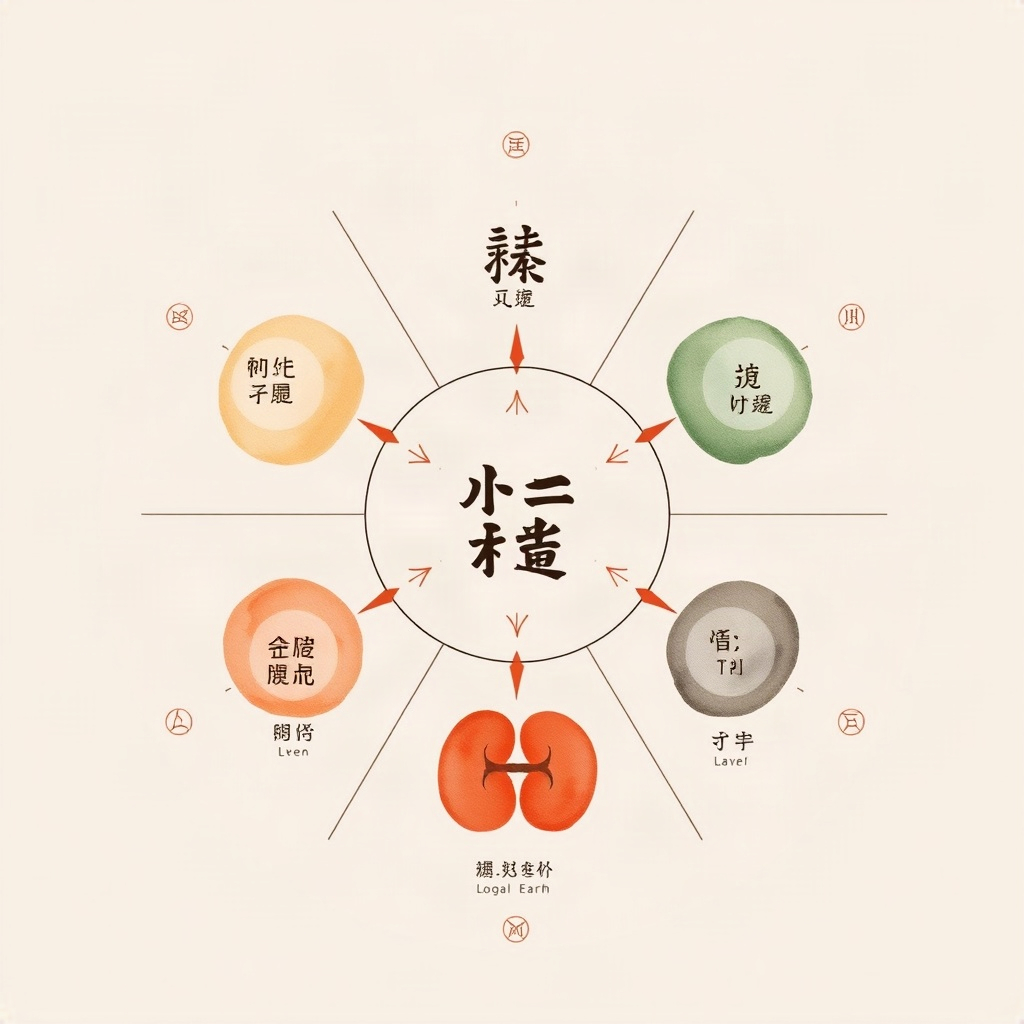


Introduction
You’ve probably noticed that certain foods carry a sour note — a pickled vegetable, a dried plum, the tartness of a fermented tea. Sour is one of the five fundamental flavors in traditional Chinese dietary therapy, and it does something surprisingly specific: it gathers. It pulls dispersed energy back toward the center. If you’ve ever felt like your attention, your fluids, or just the general sense of “things falling apart” has been running thin throughout autumn, sour is the flavor the classics turn to first.
This isn’t about sour as a dietary prescription. It’s about what sour means in the flavor system — where it goes, what it does, which foods carry it, and why the classical texts warn that too much of even a helpful thing can tip into its opposite.
What Sour Does: Gathering from All Directions
Sour (酸, suān) is a yin flavor. In the five-flavor system it maps to the direction “to earth” — meaning it pulls inward and downward, consolidating what would otherwise scatter outward. The classical line for its action is simple: from all directions it gathers things back into one point.
This makes sour a natural fit for autumn, the season of Metal. Autumn is about gathering in and storing what the warm months dispersed. The Lung is the organ system associated with Metal in TCM, and the classics call it the “greediest organ” precisely because its job is to pull everything in and hold it — inhalation is literally an act of pulling the outside world into your internal landscape. Sour supports that function.
But sour doesn’t only touch the Lung. It also modulates the Liver (肝), the Wood element, whose natural tendency is to disperse and expand. Sour reins in that dispersing urge. Think of it like a drawstring: you can pull it gently for refinement or tighten it when things are leaking too much.
In practical terms, the sour flavor gets discussed when there’s scattering or leakage — excessive sweating without an obvious cause, attention that won’t settle, energy that dissipates by mid-afternoon. The classical picture is of something that needs consolidation: bringing scattered qi back into a workable center.
The Organ Connection: Lung and Liver
The sour flavor has two primary relationships in the five-element system, and they’re worth holding separately because they produce very different effects depending on what’s happening inside a person.
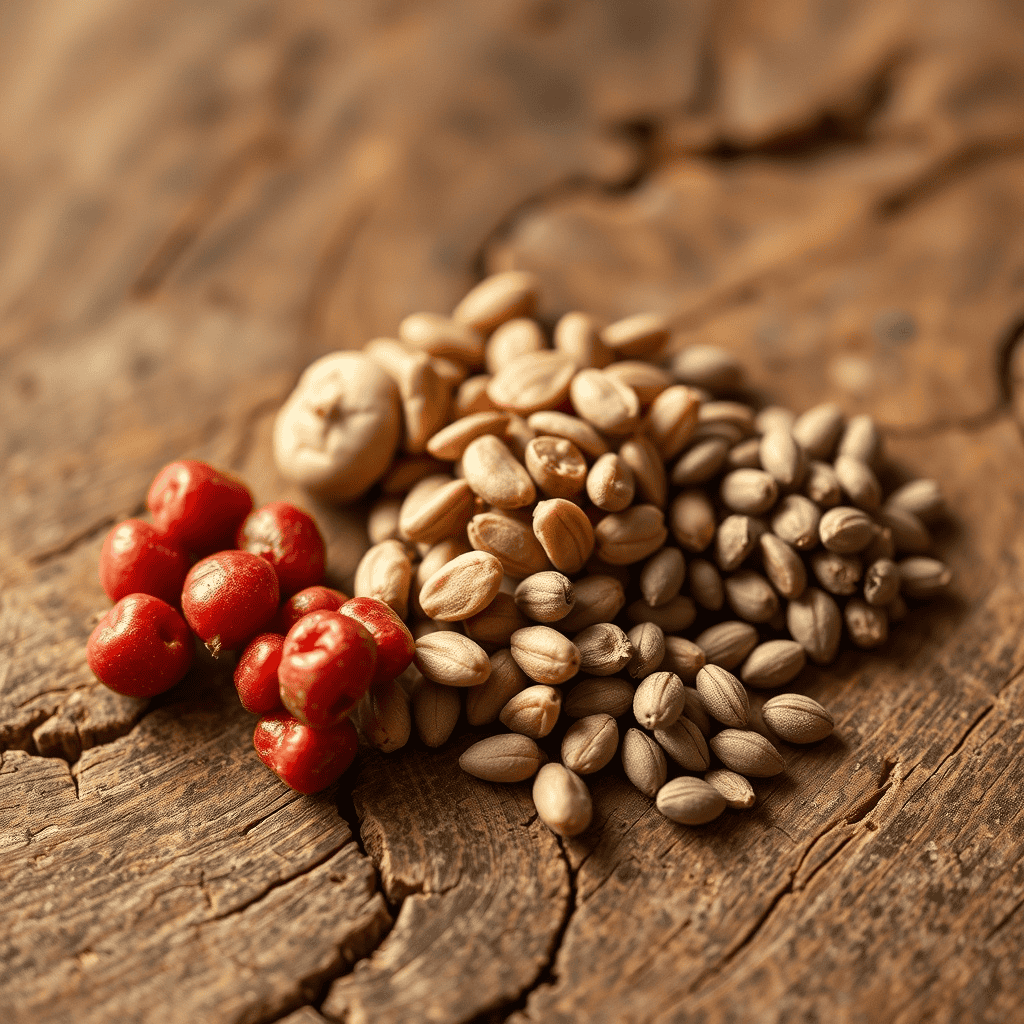
Lung (Metal): tonifying. Sour is the direct tonifying flavor for Lung. What “tonify” means here isn’t about adding bulk to an organ — it means enabling it to do what it naturally does. The Lung wants to gather and consolidate; sour helps it do that. Wu wei zi (schisandra berry, 五味子) is the quintessential example. In classical formula work it astringes and consolidates Lung qi, which is why its cough-stopping action is really just a side effect of preventing Lung qi from dispersing when it shouldn’t.
Liver (Wood): reducing. The Liver naturally wants to disperse — to spread energy outward smoothly. Sour does the opposite. It astringes what the Liver would scatter, which can be therapeutic when that dispersal is excessive. Two herbs worth knowing here are bai shao (白芍, white peony root) and wu mei (乌梅, mume fruit). Both pull back against a hyper-dispersing Liver.
The five-phase dynamics add another layer. When sour is in proper balance, it helps Metal control Wood in the productive cycle — keeping dispersal from running wild. But that same relationship is where the risk lives: too much sour and Wood over-controls Earth (the Spleen), which starts a cascade.
The Foods: Kitchen-Crossover Ingredients
Sour in the Chinese dietary-therapy sense isn’t just lemon juice or vinegar — though those count. The system focuses on ingredients that carry both the sour flavor and a documented action within classical theory. Here are four of the key ones:
- Schisandra berry (五味子, wu wei zi) — Five-flavor fruit. Sour above all, with traces of the other flavors making up behind it. It’s the canonical astringent: pulls scattered Lung and Heart qi back into their proper place. The dried berries are small and wrinkled, deep red.
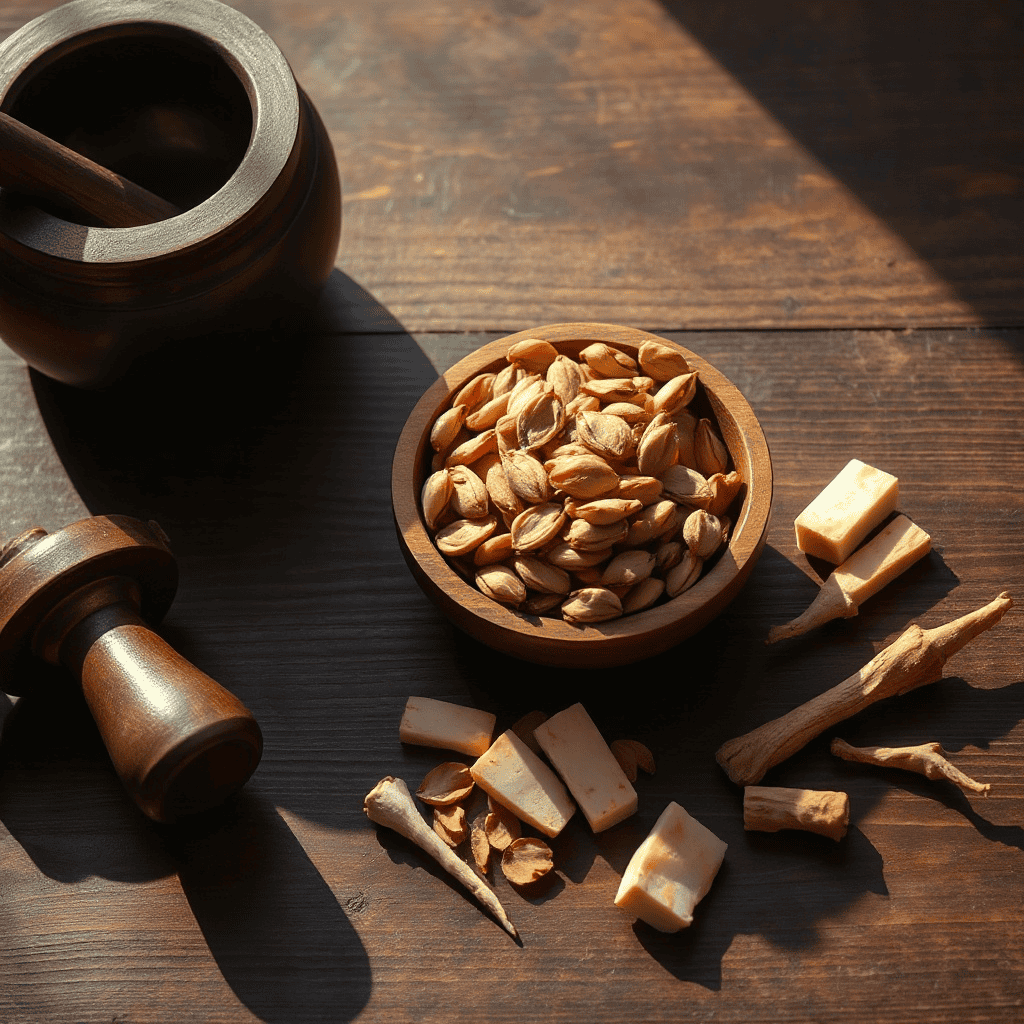
- Mume plum (乌梅, wu mei) — Smoked dried plum fruit. Extremely sour with a warming undertone. A primary herb for reducing Liver excess; also used to gather fluids when there’s abnormal thirst or dryness that fluids don’t resolve.
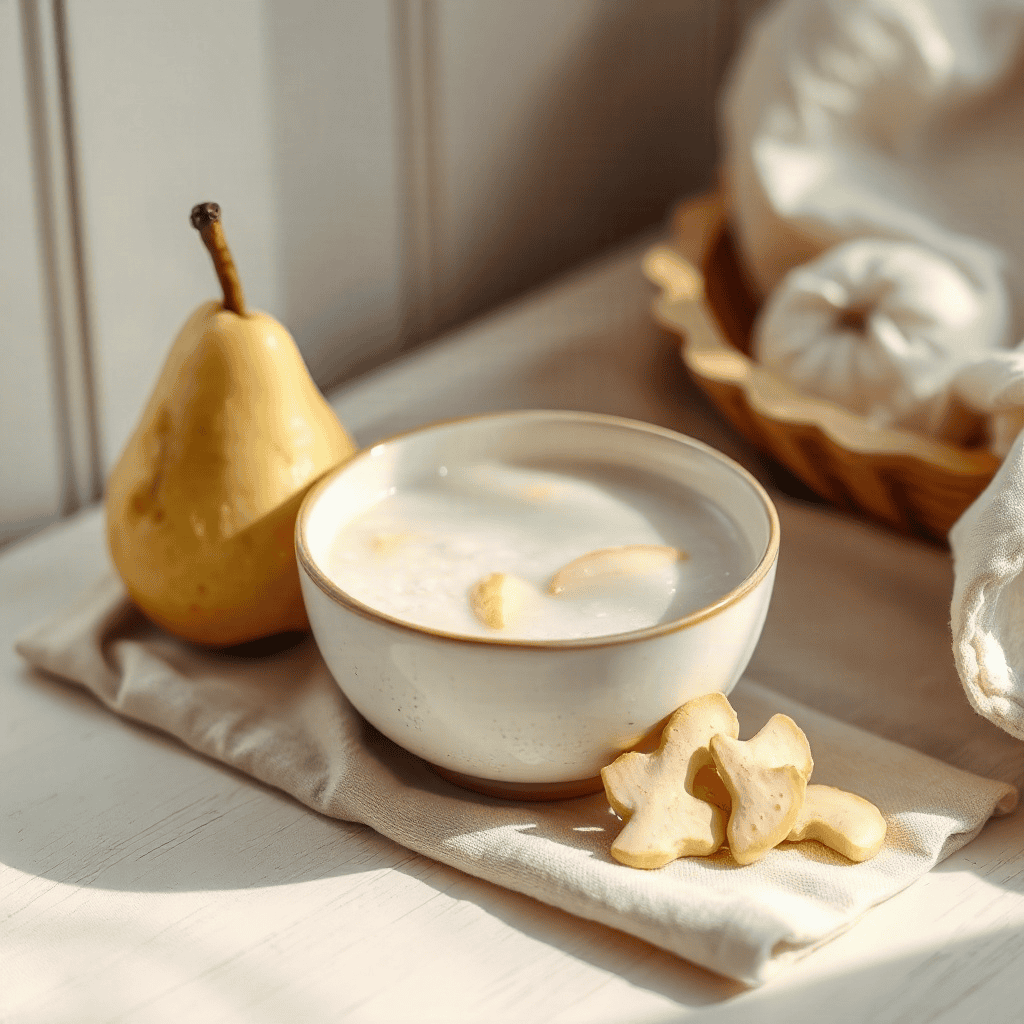
- Chinese yam (山药, shan yao, also called shan yu / 山药) — Classed as “Water of Metal” in the five-flavor hierarchy. Sour-bland with a gentle tonifying quality that supports both Lung and Kidney. Sold dried and sliced; goes into soups, congee, and slow-cooked dishes.
- Fermented black soybean (淡豆豉, dan dou chi) — Classed as “Fire of Metal.” Sour-fermented soybeans with a mild pungent depth. Classically discussed for stuckness and heat above the diaphragm — that uncomfortable feeling of vexation or low-grade anxiety sitting behind the chest.
The kitchen crossover here is real: wu mei shows up as smoked plum snacks, shan yao appears in traditional congee and slow-cooked soups, fermented soybean derivatives are a part of East Asian pantry traditions. But these are also ingredients a practitioner tailors precisely — they’re food-like, yes, but the classical discussion of their action goes well beyond “eat this and you’ll feel better.”
Who Benefits
Sour gets discussed when there’s a picture of scatter: fluid lost through unexplained sweating, attention that drifts without settling, energy that evaporates rather than holds. The sour flavor is the one the classics reach for when something needs pulling back into concentration — what one teacher called “pulling scattered attention into singularity.”
The Lung governs qi reception and distribution. When its gathering function is weak, you can get a pattern of loose surface guard (excessive spontaneous sweating), chronic cough with little productive output, or a general thinness of energy that doesn’t track back to any single lifestyle cause. Sour-astringent herbs help the Lung hold on to what it’s acquired.
The Liver governs smooth flow of qi — physical and emotional. When it over-disperses (excess Wood), you can get tension headaches, frustration that flares quick and hot, or blood that doesn’t get anchored properly. Sour moderates this by drawing the dispersion back into a manageable range rather than trying to suppress it outright.
This is general dietary information about how classical TCM frameworks talk about food flavors. A practitioner works with these patterns diagnostically — they decide whether sour is a good fit based on a person’s overall presentation, not just one isolated symptom.
Going Easy: The Classical Warnings
Every flavor has an excess profile — and sour’s is specific enough to be useful. When sour goes too far in either direction — too much quantity or the wrong constitution for it — these are the patterns you might see:
- Urine retention — Sour astringes the upper two burners; what can’t exit upward gets pushed down to the bladder, which then constricts. If someone already has difficulty urinating, excess sour makes it worse.
- Regurgitation or acid reflux-like patterns
- Rough muscles and chapped lips — When liver qi gets over-astringed by sour, the tissue level suffers. The Liver governs tendons and tissues; sour that goes too far leaves things tight, dry, and rough.
- Spleen qi waste via five-phase dynamics — In excess, sour makes Wood over-control Earth (the Spleen/Stomach). When Wood is hyper-dense from sour astringency, it presses down on the digestion’s ability to transform and transport. Classical texts describe this as “spleen qi wastes.”
The five-phase reading here is worth holding: it’s not just “too much of anything is bad.” Sour sits in Metal, its natural element is Lung (Metal). When sour is excessive, Metal over-accumulates and feeds Wood too densely. That hyper-dense Wood then over-controls Earth — the production cycle inverts into the destruction cycle, and the Spleen takes the hit.
This is not a “eat less sour” warning. It’s more precise: a person with an already weak Spleen or existing urination difficulty may need to moderate their sour intake more carefully than someone whose pattern points toward scattering. A practitioner decides how much sour suits a given person.
“Sour astringes — from all directions it consolidates back into one point.” — Canonical Training, Five Flavors (2012), summarizing the Su Wen understanding of 酸 (suan) action across the organ systems.
The classical picture is elegant in its symmetry: sour gathers what scatters, astringes what leaks, and consolidates what disperses. The same quality that makes it therapeutic — powerful inward pull — is what makes excess dangerous. Everything in moderation doesn’t just mean “not too much.” It means finding the amount that suits your pattern, because the classical system recognizes that every flavor’s usefulness depends entirely on where its host stands when they eat it.
If you’ve been wondering why certain foods seem to settle you while others fray your attention further — or if fluid loss, scattered energy, and a general sense of “not holding together” have been part of your recent experience — sour may be worth exploring with someone who can read the full pattern. Book a consultation at makariwellness.com to learn more.
If this sounds familiar and you would like a practitioner's read on your pattern, Makari Wellness can help. Book a consultation.