

Classical theory
The organ systems, the channels and the points, from the classics.
All articles or browse every topic
9 articles
Articles
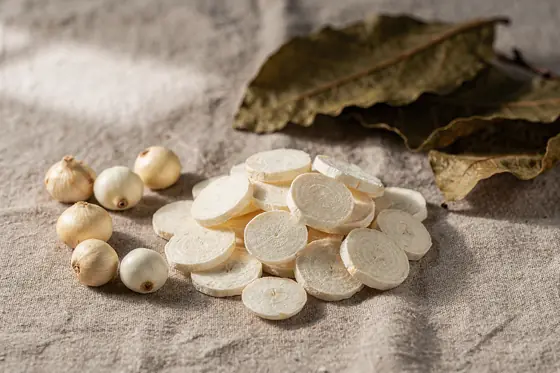
What Pneumonia Looks Like in Chinese Medicine
How classical Chinese medicine stages pneumonia, from exterior cold to interior heat and lingering phlegm, and where that thinking sits beside antibiotics and urgent medical care.
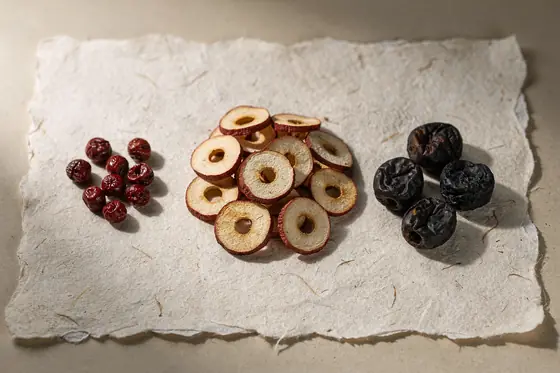
The sour flavor in Chinese dietary therapy
You've probably noticed that certain foods carry a sour note — a pickled vegetable, a dried plum, the tartness of a fermented tea. In Chinese dietary therapy, sour gathers.

Dry needling vs acupuncture in Oceanside
Dry needling and acupuncture use the same thin filiform needle, but they come from different traditions and different bodies of training.
Why you can't sleep: a TCM map for insomnia
If you know the experience of lying awake for hours, mind racing while your body begs for rest, you're not fighting a broken machine — you're navigating a complex regulatory system that's lost its balance.
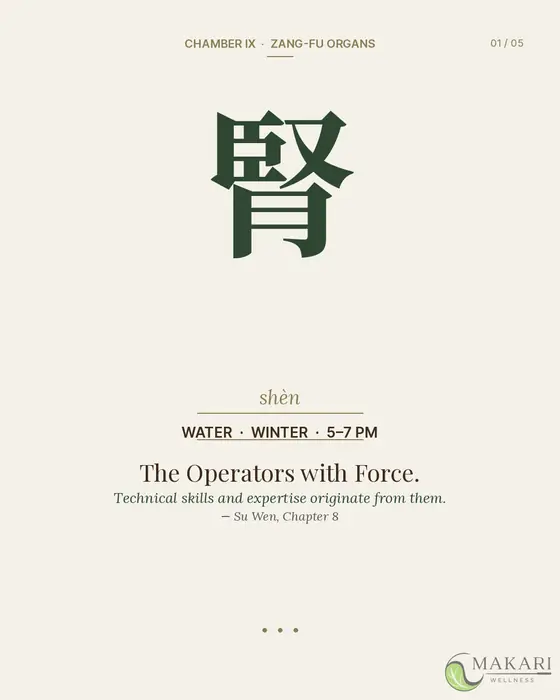
The Five Officials: The Zang-Fu Organs
In classical Chinese medicine, the organs are not merely anatomical structures; they are officials in a body-state. A walk through the five Zang organs and their patterns.
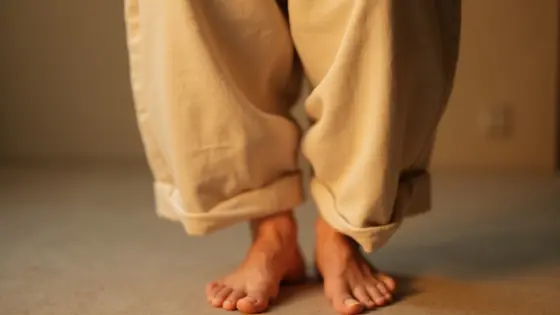
ST-36 Zusanli: The Non-Negotiable Point
For nearly two thousand years, one point on the leg has been treated as more than a point to needle: a daily practice for preserving health. Here is why ST-36 matters.
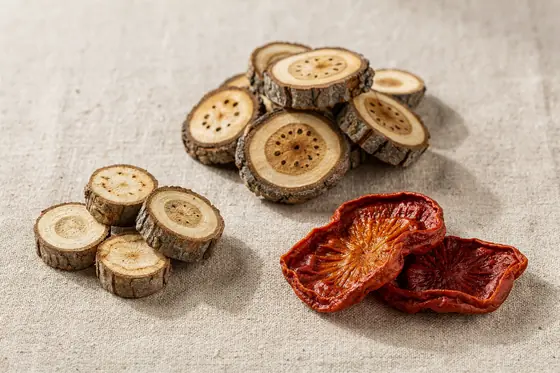
Arthritis Through the Bi Syndrome Lens
Classical Chinese medicine doesn't read arthritis as one condition. It asks what is obstructing the channels. Five Bi patterns, five classical formula examples.
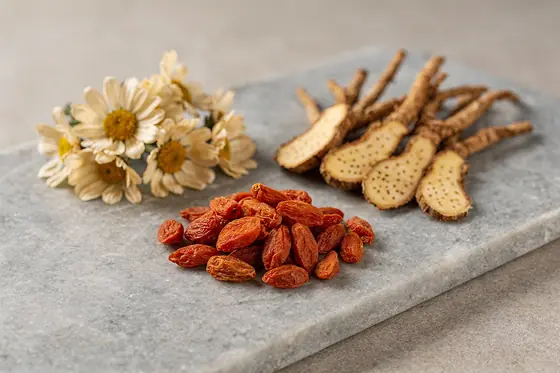
Blood, Yin and Eye Health in TCM
In Traditional Chinese Medicine (TCM), blood and yin are vital substances that nourish and moisten the body. Here is how they relate to the health of the eyes.
Red Light, Blue Light and TCM Yin-Yang
Light-biology research contrasts natural red light with artificial blue light. Here is how that contrast reads through the yin-yang principles of Traditional Chinese Medicine.


