


What Are Active Release Techniques?
Active Release Techniques, commonly known as ART, is a patented, movement-based soft tissue therapy designed to treat problems with muscles, tendons, ligaments, fascia, and nerves. Developed by Dr. P. Michael Leahy, ART works on the principle that overused or injured muscles generate dense, adhesive scar tissue that restricts normal movement, traps nerves, and reduces blood flow. By applying precise tension while guiding the patient through a specific active movement, a trained provider can break down these adhesions and restore healthy tissue function.
Unlike passive massage or static stretching, ART is a hands-on, dynamic process. Each treatment session involves both the provider and the patient working together — the provider holds a targeted tension point while you move the affected limb or structure through its full range of motion. This combination of specific pressure and active movement is what makes ART uniquely effective for stubborn soft tissue injuries that have not responded well to rest alone.
At Makari Wellness, serving patients throughout Oceanside and San Diego, ART is integrated as part of a broader, individualized treatment plan that may also include acupuncture, herbal medicine, functional neurology, and corrective exercise. We do not offer ART in isolation — we use it where it fits best within a complete clinical picture.
Conditions That May Respond to Active Release Techniques
ART is most commonly sought for repetitive-strain and overuse injuries, but its clinical applications are broader than many patients realize. Some of the conditions where ART may play a supportive role include:
- Neck pain and cervicogenic headache — particularly tension held in the suboccipital muscles, sternocleidomastoid (SCM), upper trapezius, and scalenes
- Shoulder impingement and rotator cuff strain
- Carpal tunnel syndrome and wrist pain from repetitive desk work
- Tennis elbow and golfer’s elbow (lateral and medial epicondylitis)
- Hip flexor tightness and IT band syndrome in runners and cyclists
- Plantar fasciitis and Achilles tendon problems
- Post-concussion syndrome recovery — ART to the suboccipital, SCM, scalene, masseter, and temporalis muscles is considered an essentially universal component of cervicogenic rehabilitation in post-concussion care
- Peripheral nerve entrapment, where scar tissue compresses neural pathways
It is important to understand that ART does not diagnose or cure any condition. What it does is address the mechanical, tissue-level restrictions that often maintain or worsen pain and dysfunction — removing one layer of the problem so that other treatments, and your own body’s healing capacity, can work more effectively.
How Active Release Techniques Fit Into the Makari Method
At Makari Wellness, we think in terms of integrated treatment lanes rather than single-modality care. ART occupies what we call Lane 3 — the manual therapy and structural correction lane — and it works in concert with acupuncture and herbal medicine rather than replacing them.
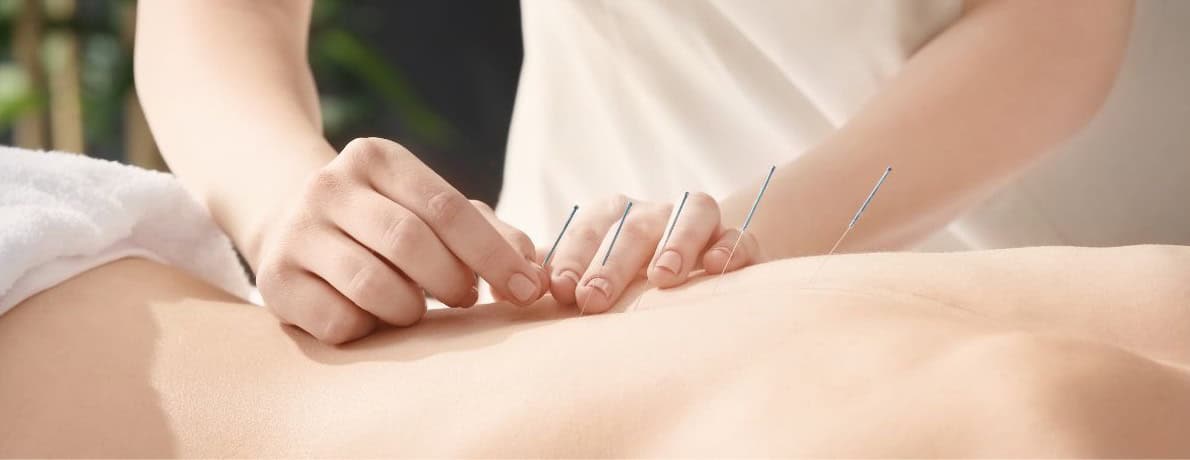
Chinese medicine has always understood that free movement of qi and blood through the channels is fundamental to tissue health. What we now recognize as adhesive scar tissue maps closely onto the classical concept of blood stasis and channel obstruction — the accumulation of pathological material that blocks normal flow and function. Acupuncture addresses this from the inside out, using needles to move stagnation, reduce local inflammation, and regulate the nervous system. ART addresses it from the outside in, using precisely guided mechanical force to physically release fascial adhesions. Together, these approaches reinforce each other in ways that neither achieves as effectively alone.
For patients recovering from post-concussion syndrome, for example, the clinical evidence increasingly points to the cervical spine and surrounding soft tissues as a major driver of persistent symptoms — including headache, dizziness, cognitive fog, and sleep disruption. Our approach integrates ART to the suboccipital triangle, SCM, upper trapezius, and scalenes alongside acupuncture and functional neurology assessment, because these structures do not respond predictably to any single intervention in isolation.
For patients with migraine, upper cervical ART targeting the suboccipital muscles and jaw muscles (masseter and temporalis) can reduce referred pain patterns that contribute to headache frequency and intensity, particularly when there is a cervicogenic component that has gone unrecognized.
The Role of Nerve Mobilization
ART includes specialized protocols for peripheral nerve entrapment — conditions where scar tissue compresses or adheres to a nerve rather than a muscle. Sciatic nerve irritation, ulnar nerve compression at the elbow, and median nerve restriction at the carpal tunnel all fall into this category. Nerve mobilization techniques, closely related to ART, restore the nerve’s ability to glide freely through the surrounding tissue without triggering pain or numbness. We integrate these protocols when the clinical picture points to a peripheral entrapment component, particularly in cases where standard treatment has delivered incomplete relief.
What to Expect at Makari Wellness
Your first visit begins with a thorough intake and assessment. Before any hands-on work begins, your provider will take a detailed history, observe your movement patterns, and identify the specific structures most likely contributing to your symptoms. This is not a one-size-fits-all process — the ART protocols your provider applies are selected based on your individual presentation.
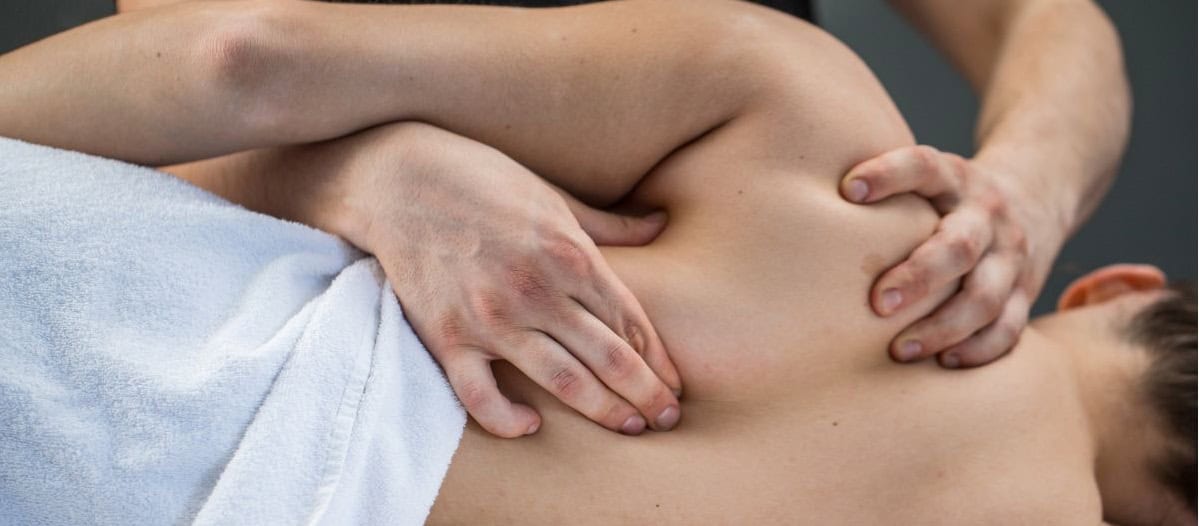
During treatment, you will be asked to actively move the affected area while your provider applies a precise contact point. You may feel a transient stretching or mild discomfort as the adhesion releases — this is normal and typically brief. Most patients notice an immediate change in range of motion or a reduction in familiar pain patterns during the session itself. Some soreness in the hours following treatment is common, similar to what you might feel after a deep massage, and typically resolves within a day or two.
ART is rarely a standalone single-session intervention. For well-established adhesions, a series of visits allows the tissue to remodel progressively. Your provider will combine ART with acupuncture, corrective exercise guidance, and — where appropriate — herbal medicine to support tissue repair and reduce the inflammatory conditions that allow scar tissue to re-accumulate.
Conditions We Assess Before Proceeding
Not every patient is an ideal candidate for ART at every stage of care. Active inflammation, certain skin conditions over the treatment area, recent surgical sites, and specific vascular conditions require modification or contraindicate direct soft tissue work. Your provider will screen carefully for these factors before proceeding, and may recommend beginning with acupuncture or other gentler modalities while the tissue is not yet ready for mechanical release.
Frequently Asked Questions
How many sessions will I need?
This depends heavily on how long the problem has been present, how much scar tissue has accumulated, and how your body responds to treatment. Acute injuries often resolve in three to six sessions. Chronic or complex presentations — such as long-standing carpal tunnel syndrome or post-concussion cervical involvement — may require more. Your provider will give you a realistic working estimate after the initial assessment and will reassess regularly as care progresses.

Is ART covered by insurance?
Coverage varies by plan. Makari Wellness can provide documentation to support reimbursement claims where applicable. We recommend contacting your insurance provider directly to clarify your soft tissue or manual therapy benefits.
Can ART be combined with acupuncture in the same visit?
Yes, and in many cases this is our preferred approach. Acupuncture before ART can reduce local muscle tension and improve tissue receptivity. Acupuncture after ART can consolidate the release and support the body’s healing response. Your provider will sequence the interventions based on what is most clinically appropriate for your condition that day.
Take the Next Step
If you are living with persistent soft tissue pain, movement restriction, or nerve-related discomfort that has not fully responded to rest, standard physical therapy, or other treatments, Active Release Techniques integrated with acupuncture and Chinese medicine may offer a path forward. Makari Wellness brings together these disciplines into a coherent, patient-centered approach — not as a collection of unrelated modalities, but as a thoughtfully sequenced clinical strategy built around your specific presentation. We invite you to Schedule Your Initial Visit at our Oceanside clinic to begin that conversation.