


What Is Orthopedic Acupuncture?
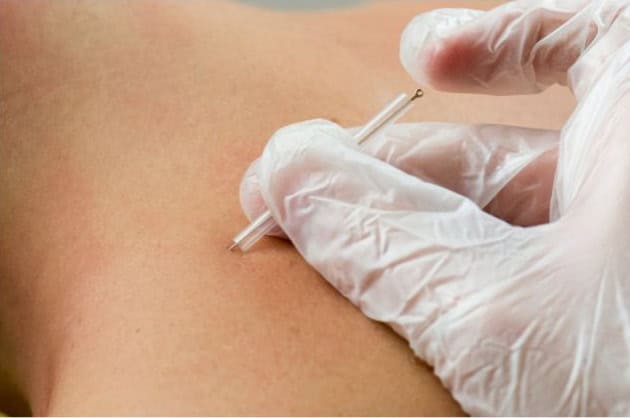
Orthopedic acupuncture — sometimes called dry needling or sports medicine acupuncture — is a specialized approach that applies precise needle therapy directly to muscles, tendons, nerves, and fascial tissue to address musculoskeletal pain and movement dysfunction. Unlike generalized acupuncture, orthopedic acupuncture is grounded in detailed anatomical assessment: your practitioner evaluates joint mechanics, movement patterns, and tissue quality before a single needle is placed. The goal is not simply to reduce pain, but to restore the underlying function that pain is disrupting.
At Makari Wellness, serving patients in Oceanside and San Diego, our orthopedic acupuncture approach draws on multiple advanced clinical lineages — including motor point acupuncture, myofascial release principles, and functional movement screening — to build a treatment plan that matches your specific injury or complaint.
Conditions Commonly Addressed
Orthopedic acupuncture is appropriate for a wide range of musculoskeletal and nerve-related conditions. Patients frequently seek care for:
- Neck and low back pain, including disc-related complaints
- Shoulder injuries — rotator cuff strain, frozen shoulder, impingement
- Hip pain, IT band syndrome, and gluteal tendinopathy
- Knee pain — patellofemoral syndrome, meniscal irritation, post-surgical recovery support
- Elbow, wrist, and hand conditions such as tennis elbow and carpal tunnel syndrome
- Ankle sprains, Achilles tendinopathy, and plantar fasciitis
- Nerve entrapment syndromes and radiating pain patterns
- Sports injuries and return-to-activity rehabilitation
- Chronic tension, myofascial trigger points, and movement restriction
Whether your pain is acute from a recent injury or has been building over years of repetitive strain, orthopedic acupuncture offers a structured path toward recovery that works alongside — not instead of — your other healthcare providers.
How Orthopedic Acupuncture Works
Motor Point and Trigger Point Release
Many chronic pain patterns are sustained by hyperirritable points within muscle tissue — commonly known as trigger points — that create local tenderness, referred pain, and restricted range of motion. Fine acupuncture needles inserted directly into these sites produce a brief muscular twitch response that interrupts the dysfunctional contraction cycle, restoring blood flow and reducing the neurological drive maintaining the pain. This is the same principle behind motor point acupuncture, a highly precise method that targets the neuromuscular junction where a nerve enters a muscle belly — the location where electrical stimulation and needling produce the most significant and lasting change in muscle tone.
Nerve Mobilization and Fascial Work
Pain does not always originate in a muscle. Compressed or restricted nerves — along the spine, through the shoulder girdle, down the arm or leg — can generate pain, tingling, weakness, and functional loss that mimics injury elsewhere. Our practitioners are trained in neural assessment and nerve mobilization techniques, allowing us to identify and address nerve tension as part of the treatment plan. Fascial continuity — the body-wide connective tissue web described in anatomical frameworks like Tom Myers’ Anatomy Trains — also plays a critical role in how tension distributes across joints and movement chains. Needle placement along these lines can release restrictions that no amount of isolated muscle work will resolve.
Electroacupuncture for Musculoskeletal Recovery
When deeper or more sustained neuromuscular input is needed, electroacupuncture delivers a gentle electrical current through the needles. This approach — particularly effective for motor point work — amplifies the needle’s effect on muscle inhibition or activation, accelerates local circulation, and supports tissue repair. It is commonly used for stubborn or chronic MSK complaints, post-surgical recovery support, and nerve-related conditions where conventional needling alone produces incomplete results.
Functional Movement Assessment
Effective orthopedic care requires understanding not just where it hurts, but why. Before treatment, your practitioner performs an orthopedic intake that may include range-of-motion testing, functional movement assessment, and postural evaluation. Tools like the Functional Movement Screen (FMS) and integrative biomechanical assessment allow us to identify compensation patterns — the places where your body is working around a deficit — so treatment targets root causes rather than downstream symptoms. Addressing the source of movement dysfunction is what separates lasting relief from temporary pain management.
Grounded in Sports Medicine and Classical Training
The sports medicine acupuncture lineage has been developing since the early 1980s, when pioneering practitioners brought acupuncture into elite athletic environments — including the 1984 Olympic Games in Los Angeles — and began systematically mapping how classical point selection could be refined through anatomical precision. Our clinicians have trained extensively in this tradition, studying orthopedic acupuncture protocols alongside manual therapy methods including Active Release Techniques (ART), myoskeletal alignment, and spinal mobilization. This cross-disciplinary foundation means we can collaborate effectively with your physical therapist, orthopedic physician, or surgeon as part of a coordinated care team.
What to Expect at Makari Wellness
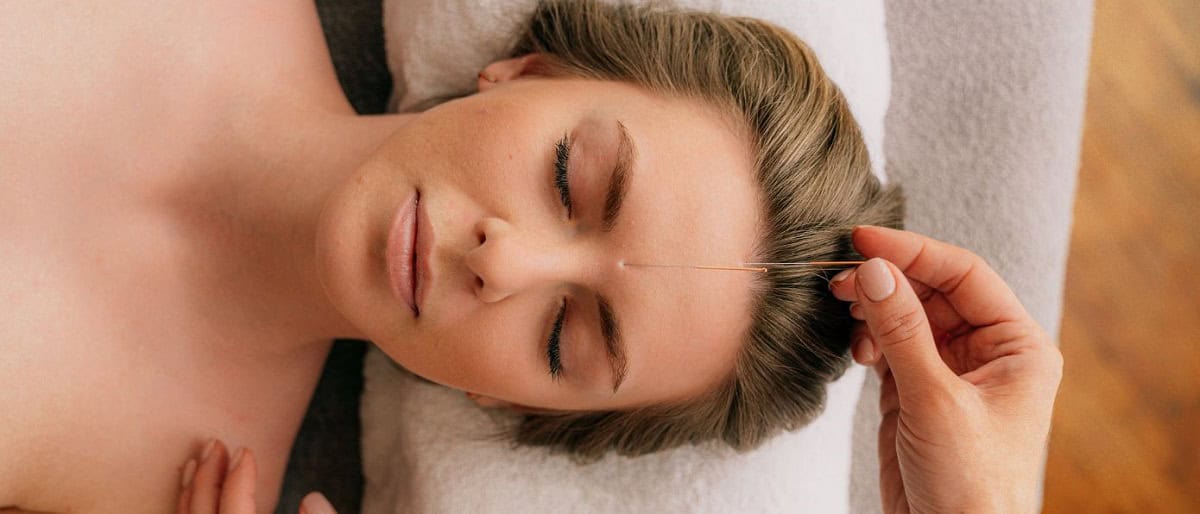
Your first visit begins with a thorough intake. We will ask about the history and nature of your complaint, any imaging or prior diagnoses, aggravating and relieving factors, and your overall health history. We observe how you move, not just how you describe your pain. From this, we build an individualized treatment plan with clear goals and realistic expectations for progress.
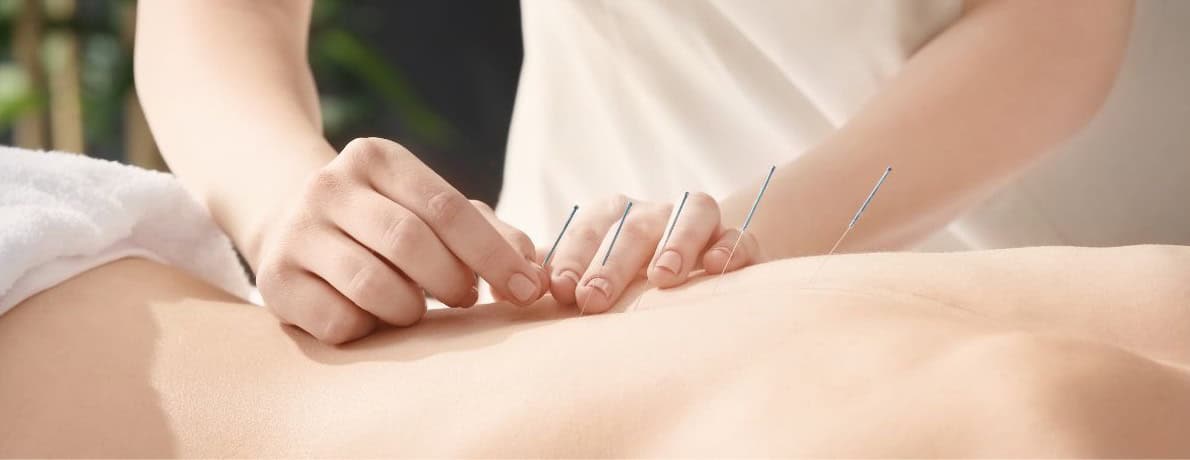
Treatment sessions typically last 45 to 60 minutes. Needles used for orthopedic work are sterile, single-use, and extremely fine — most patients describe the sensation as a brief ache, warmth, or muscle twitch rather than sharp pain. Some patients feel immediate relief; for others, improvement builds progressively over a series of sessions. We track your progress and adjust the approach as your tissue responds and your movement capacity expands.
Between visits, we may recommend specific movement homework, nerve glides, or load-management strategies to support recovery. Acupuncture works best when paired with the right activity, not complete rest, and we guide that balance carefully.
A Note on Dry Needling vs. Acupuncture
You may have encountered the term “dry needling” from a physical therapist or chiropractor. Dry needling and orthopedic acupuncture use the same needles and share overlapping targets — primarily trigger points and motor points — but acupuncture practitioners bring years of dedicated needling training, a broader understanding of channel and tissue relationships, and access to electroacupuncture and classical diagnostic frameworks that enrich the clinical picture. At Makari Wellness, you receive the full depth of that training.
Take the Next Step Toward Pain-Free Movement
Chronic pain and movement restriction do not have to define your daily life. Whether you are recovering from a sports injury, managing a long-standing orthopedic condition, or simply trying to move and feel better, orthopedic acupuncture at Makari Wellness offers a rigorous, evidence-informed path forward. Our Oceanside clinic is accepting new patients, and we welcome those coming from across the greater San Diego area. To discuss your condition and find out whether orthopedic acupuncture is right for you, we invite you to Schedule Your Initial Visit with one of our practitioners today.