

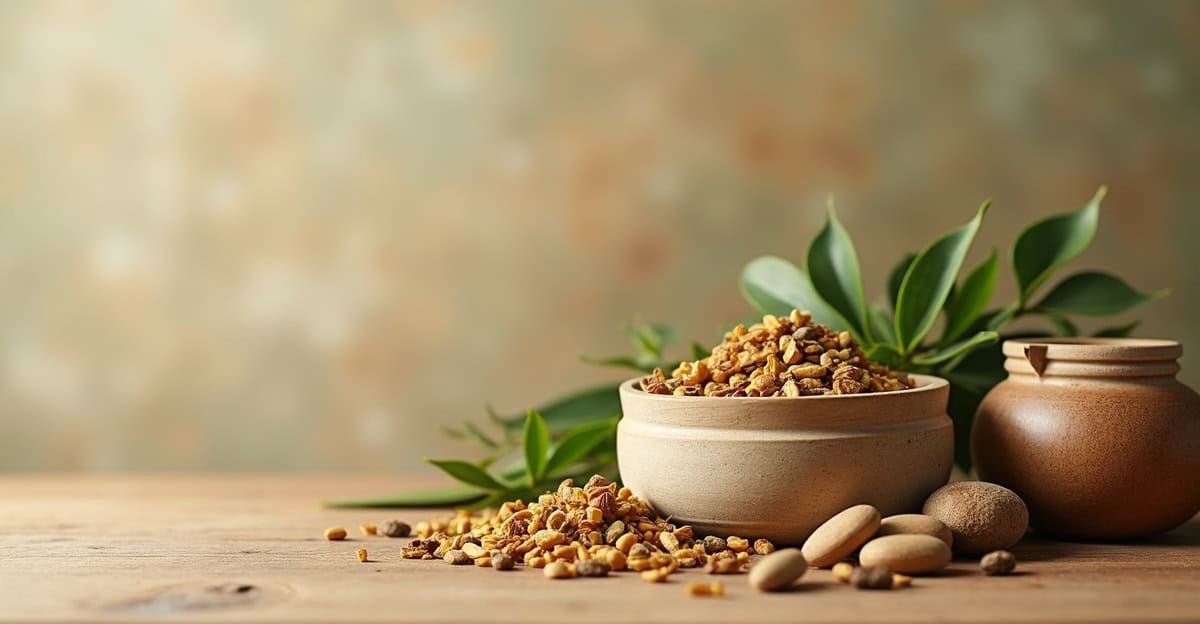
What Is a Chinese Herbalist?
A Chinese herbalist is a licensed practitioner trained in the use of botanical, mineral, and animal-derived substances that have been refined over more than two thousand years of clinical practice. Unlike a general herbalist or nutritionist, a practitioner of Chinese herbal medicine works within a complete diagnostic system — one that evaluates the whole person rather than an isolated symptom. Every formula is tailored to a specific pattern of imbalance unique to that individual, which is why two patients presenting with the same Western diagnosis may leave with entirely different herbal prescriptions.
At Makari Wellness, our practitioners in Oceanside and San Diego are trained in classical Chinese herbal medicine alongside acupuncture, giving them the depth to address health concerns from multiple angles within a single, coherent framework. Herbal medicine and acupuncture are not competing tools — they are complementary branches of the same tradition, and used together they reinforce one another’s effects.
How Chinese Herbal Medicine Works
Chinese herbal medicine operates through the lens of pattern differentiation. A practitioner assesses your constitution, current symptoms, pulse quality, and tongue presentation to identify the underlying pattern driving your complaint. This pattern — not the disease name — guides the selection of herbs and the construction of a formula.
Classical formulas typically combine several herbs into a single prescription. Each herb plays a role: some address the primary complaint, others support digestion or protect against unwanted side effects, and still others help guide the formula to the correct area of the body. This layered architecture is one of the reasons classical Chinese formulas have remained clinically relevant for centuries — they were designed to be effective and tolerable at the same time.
What Conditions May Benefit From Chinese Herbal Medicine?
Chinese herbalists are trained to support a wide range of health concerns. Some of the areas most commonly addressed include:
- Digestive complaints such as bloating, irregular bowel habits, and low appetite
- Sleep disturbances, anxiety, and emotional imbalance
- Hormonal health, including menstrual irregularity, PMS, and perimenopause
- Fatigue, low energy, and immune system support
- Skin conditions including eczema, acne, and chronic dryness
- Musculoskeletal pain and inflammation
- Respiratory concerns such as seasonal allergies and recurring infections
- Fertility support, both for natural conception and alongside assisted reproductive technology
With respect to fertility specifically, research has examined the role herbal medicine can play. One meta-analysis found that Chinese herbal medicine may improve pregnancy rates within a four-month treatment period compared with certain conventional fertility interventions. This does not mean herbal medicine replaces reproductive medicine — rather, the two approaches can work in parallel, each supporting the body in different ways. Chinese herbal treatment for fertility is considered a cumulative process, building systemic health over time rather than targeting a single cycle or event.
It is important to note that herbal medicine does not diagnose or cure disease. What it offers is a systematic way of supporting the body’s own regulatory capacity, addressing the terrain from which symptoms arise rather than suppressing the symptoms directly.
The Chinese Herbalist’s Diagnostic Process
One of the most distinctive features of Chinese herbal medicine is the intake process. Where a conventional appointment may focus on a chief complaint and recent labs, a Chinese herbalist gathers a much broader picture. Expect to discuss your sleep quality, digestion, thermal comfort, emotional life, energy patterns across the day, and the details of your menstrual cycle if relevant. These are not incidental questions — they are the clinical data that allow the practitioner to identify your pattern with precision.
Reading the Pulse and Tongue
The pulse and tongue are two of the most important diagnostic tools in Chinese medicine. A practitioner assesses the pulse at multiple positions on both wrists, noting qualities such as depth, speed, strength, and texture. The tongue is examined for its shape, color, moisture, and coating. Together, these findings provide an internal portrait of the body’s current state — one that guides both the herbal prescription and any accompanying acupuncture treatment.
This level of individualization means that your formula may be adjusted at each visit as your condition evolves. Chinese herbal medicine is not a static protocol. It is a living conversation between the practitioner and your body’s changing needs.
What to Expect at Makari Wellness
Your first visit at Makari Wellness will include a comprehensive intake covering your health history, current symptoms, and relevant lifestyle factors. Your practitioner will assess your pulse and tongue and may ask detailed questions that go beyond what you are accustomed to in a conventional medical setting. This thoroughness is intentional — it is the foundation upon which a precise, individualized herbal prescription is built.
Herbal prescriptions at Makari Wellness are dispensed in several formats depending on your condition and preference. Granule concentrates, which dissolve in warm water, are convenient and easy to prepare at home. Capsule formats are available for patients who prefer a simpler routine. In some cases, raw herb formulas cooked as a traditional decoction may be recommended for their potency. Your practitioner will guide you toward the format that fits both your clinical needs and your daily schedule.
Combining Herbs With Acupuncture
Many patients at our Oceanside and San Diego locations receive both acupuncture and herbal medicine as part of an integrated care plan. Acupuncture works through the nervous system and fascial tissue in real time, while herbal medicine exerts its influence gradually and systemically between sessions. When used together, they address both the immediate presentation and the deeper constitutional patterns that allow problems to recur.
Your practitioner may recommend beginning with acupuncture alone if your presentation is acute, adding herbal support once the initial response is established. Or the two may be started simultaneously for more chronic or complex conditions. This sequencing is a clinical decision made in collaboration with you based on your goals, your constitution, and how your body responds.
Safety and Herb-Drug Interactions
Classical Chinese herbs have a well-documented safety profile when prescribed by a qualified practitioner. However, some herbs interact with pharmaceutical medications, and certain formulas are contraindicated during pregnancy or in the presence of specific conditions. At Makari Wellness, your practitioner will review your current medications and medical history before prescribing anything. Transparency is essential — please bring a complete medication list to your first visit, including any over-the-counter supplements you take regularly.
We only source herbs from suppliers who meet quality and purity standards, including testing for heavy metals and contaminants. The integrity of the herbs in your prescription is as important as the precision of the formula itself.
Begin Your Herbal Medicine Journey
Whether you are dealing with a longstanding health concern, looking to support your body through a significant life transition, or simply seeking a more complete approach to your wellbeing, working with a trained Chinese herbalist can offer meaningful support. The tradition behind this medicine is deep, the clinical tools are precise, and at Makari Wellness our practitioners bring both classical training and modern clinical sensibility to every consultation. If you are in the San Diego or Oceanside area and are ready to explore what Chinese herbal medicine can do for you, we warmly invite you to Schedule Your Initial Visit and take the first step toward a more balanced, informed approach to your health.